

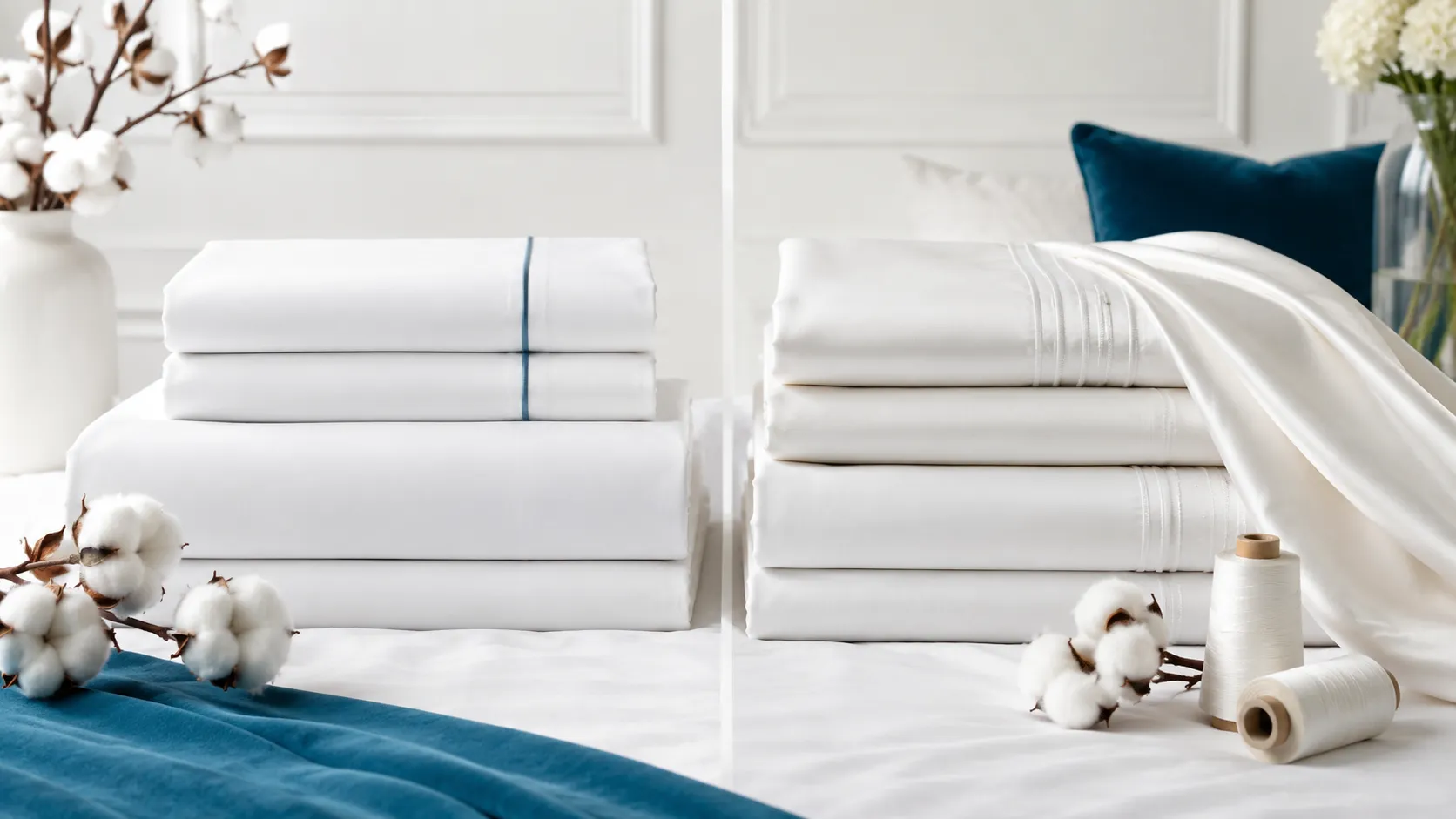
Pima Egyptian cotton is not one single fabric. It is a phrase people often search when they are trying to compare Pima cotton and Egyptian cotton, especially before buying bed sheets, pillowcases, towels, or other soft home fabrics.
Both cottons can feel smooth, soft, and long-lasting because they are linked with longer cotton fibers. But the label alone does not prove quality. Fiber length, weave, yarn construction, authenticity, and washing care all affect whether the sheets stay comfortable after you bring them home.
Are Pima and Egyptian Cotton the Same?
No. Pima cotton and Egyptian cotton are different premium cotton terms.
Pima cotton usually refers to a cotton type known for long or extra-long fibers. Egyptian cotton generally refers to cotton grown in Egypt, but that label alone does not prove the cotton is extra-long staple or premium-grade.
Both can make high-quality sheets, but they are not equal by name alone. The real quality depends on fiber length, yarn construction, weave, finishing, and whether the cotton is clearly verified.
Pima Cotton vs Egyptian Cotton at a Glance
| Feature | Pima Cotton | Egyptian Cotton |
|---|---|---|
| Main meaning | Premium long-fiber cotton | Cotton grown in Egypt |
| Origin | United States, Peru, Australia | Egypt, often linked with the Nile region |
| Fiber quality | Usually long or extra-long staple | Can be long or extra-long staple, but quality varies |
| Feel | Smooth, soft, breathable | Soft and silky when genuine and high-grade |
| Durability | Strong everyday wear resistance | Strong when genuine and well made |
| Price | Often better value | Often more expensive |
| Verification | Supima can provide clearer traceability | Needs clear sourcing or certification |
| Best use | Everyday premium sheets, towels, clothing | Luxury bedding and smooth sheet feel |
| Buyer risk | Check if it is real Pima or Supima | Watch for vague or misleading labels |
Choose Pima if you want everyday softness, durability, and value. Choose Supima if you want better traceability. Choose Egyptian cotton if you want a luxury feel and can verify the cotton is genuine and high-grade.
What Is Pima Cotton?
Pima cotton is a premium cotton known for its long fibers. In fabric terms, fiber length matters because longer fibers can be spun into smoother, stronger yarn.
That smoother yarn gives Pima cotton its main benefits. Pima cotton sheets often feel soft without feeling too heavy. They can also hold up well to regular washing when cared for properly. This is why Pima cotton is used in bed sheets, towels, shirts, underwear, and other fabrics where comfort and wear resistance both matter.
You may also see the word Supima. Supima is a licensed trademark for American-grown Pima cotton. That matters because it is not just a loose descriptive phrase. For shoppers, Supima can be a clearer trust signal than a vague “premium cotton” label.
What Is Egyptian Cotton?
Egyptian cotton generally means cotton grown in Egypt. It has a strong luxury reputation because high-grade Egyptian cotton can produce long, fine fibers. Those fibers can be spun into smooth yarn, which is why genuine Egyptian cotton sheets can feel soft, silky, and expensive.
But here’s the thing: not every product labeled Egyptian cotton is automatically better than Pima cotton. The label tells you about origin, not always fiber grade. It does not always prove the sheet is made from extra-long staple cotton, single-ply yarn, or 100% verified cotton.
That is why two Egyptian cotton sheet sets can feel completely different. One may stay smooth and comfortable for years. Another may feel rough, pill quickly, or lose softness after a few washes.
The safest way to judge Egyptian cotton is to look beyond the name. Check whether the brand clearly explains the cotton content, fiber quality, weave, and care instructions.
Why Fiber Length Matters More Than the Cotton Name
A cotton label does not tell the whole story. The real difference often starts with the fiber.
Short cotton fibers leave more tiny loose ends when they are spun into yarn. Those loose ends can make fabric feel rougher. They can also lead to more lint, pilling, and surface wear over time.
Longer cotton fibers create smoother yarn with fewer loose ends. That smoother yarn can make sheets feel better against the skin and help the fabric stay smoother after washing.
Many premium Pima cottons and high-grade Egyptian cottons are associated with Gossypium barbadense, a cotton species known for producing longer, finer fibers than common Upland cotton. Compared with regular Upland cotton, Pima and high-grade Egyptian cotton usually have more potential for a smoother, longer-lasting fabric when the sheets are well made.
That is why fiber length matters more than a luxury name. Longer fibers usually create smoother yarn, and smoother yarn gives the sheet surface fewer loose ends that can turn into lint, roughness, or pilling.

Main Differences Between Pima and Egyptian Cotton
Pima and Egyptian cotton can both be premium, but they differ in a few important ways.
Origin
Pima cotton is commonly grown in places such as the United States, Peru, and Australia. Supima, specifically, refers to verified American-grown Pima cotton.
Egyptian cotton is grown in Egypt. Its luxury reputation is tied to Egypt’s long history of fine cotton production.
Origin matters because it affects how the cotton is labeled and verified. A clear label gives the buyer more confidence. A vague label leaves too much room for guessing.
Softness
Both Pima and Egyptian cotton can feel soft. Genuine high-grade Egyptian cotton often has the stronger luxury image, especially when it is woven into smooth sateen sheets.
Pima cotton is also smooth and comfortable, but it often works better as a reliable everyday premium cotton. It gives a soft feel without needing as much label investigation, especially when sold as Supima.
The softest sheet is not always the one with the fanciest cotton name. It usually comes from the right mix of fiber length, yarn quality, weave, and finishing.
Strength and Durability
Pima cotton is known for good everyday durability because its longer fibers can make stronger yarn. That stronger yarn helps the fabric resist pilling, tearing, fraying, and surface roughness.
Egyptian cotton can also be strong, but only when it is genuine long-staple or extra-long-staple cotton. If the product is blended, poorly woven, or made from lower-grade cotton, it may not perform better than a good Pima sheet.
So the better question is not only “which cotton is stronger?” It is whether the sheet uses good fibers, clean yarn construction, clear labeling, and a weave that fits how you sleep.
Price and Value
Egyptian cotton often costs more because of its luxury reputation and sourcing. Some high-end Egyptian cotton sheets are worth the price, but only when the cotton is genuine and the fabric construction is strong.
Pima cotton is often better value for everyday bedding. It can give you softness, breathability, and wear resistance without the same level of label confusion or luxury markup.
If you want a safer premium sheet without paying mainly for a famous name, Pima or Supima is often the smarter place to start.
Authenticity
This is one of the biggest differences.
Pima cotton can still be mislabeled, but Supima gives buyers a stronger verification path because it is a licensed trademark for American-grown Pima cotton.
Egyptian cotton has more label confusion. Some products use wording that sounds premium without proving much about fiber quality.
Watch out for red flags like:
- “Egyptian-quality cotton”
- “Egyptian cotton feel”
- “Luxury cotton blend”
- very high thread count with no clear cotton source
- no clear fiber content label
- no mention of whether the sheet is 100% cotton or blended
A label like “Egyptian-quality cotton” is not the same as verified Egyptian cotton.
Is Pima Cotton or Egyptian Cotton Softer?
Both can be soft, but they do not always feel the same.
Genuine Egyptian cotton can feel silky and luxurious, especially in a sateen weave. That is why many luxury bedding brands use Egyptian cotton as a premium selling point.
Pima cotton often feels smooth, soft, and breathable. It may not always have the same luxury image, but good Pima sheets can feel excellent for daily use.
Weave also changes the feel. Percale feels crisp, light, and cooler. Sateen feels smoother, silkier, and slightly warmer. Jersey cotton feels stretchy and T-shirt-like, while flannel cotton feels brushed and warm.
So if you are comparing softness, do not only ask whether the cotton is Pima or Egyptian. Ask what weave it uses, whether the cotton is verified, and whether the sheet is made from long-fiber cotton.
Which Is Stronger: Pima Cotton or Egyptian Cotton?
Pima cotton and Egyptian cotton can both be strong when made from long fibers. Strength comes from staple length, yarn quality, and fabric construction.
Pima cotton is often a reliable choice for everyday strength. It tends to resist pilling well and can handle regular use if washed correctly.
Egyptian cotton can be very strong too, but the word “Egyptian” alone is not enough. Genuine high-grade Egyptian cotton can last a long time. Lower-grade or blended Egyptian cotton may not.
So, is Pima cotton or Egyptian cotton considered stronger? The honest answer is that both can be strong, but verified Pima or Supima may be the safer buy if you are unsure about Egyptian cotton authenticity.
Pima Cotton vs Egyptian Cotton Sheets: Which Is Better for Bedding?
For bed sheets, Pima cotton is often the better everyday choice. It is soft, breathable, durable, and usually more affordable than genuine high-end Egyptian cotton.
Egyptian cotton is better if you want a luxury feel and can verify that the product is real, high-grade cotton. It can feel very smooth and premium, especially in well-made sateen sheets.
Here is the easier buying guide:
| Choose this | Best reason |
|---|---|
| Pima cotton sheets | Soft, breathable, durable, and a good everyday value |
| Supima cotton sheets | Better traceability and verified American-grown Pima |
| Egyptian cotton sheets | Luxury feel when the cotton is genuine and high-grade |
| Pima percale sheets | Better for hot sleepers who prefer a crisp, cooler feel |
| Egyptian cotton sateen sheets | Better for a smooth, silkier feel with a softer drape |
| Verified cotton sheets | Safer than vague premium label claims |
If you want sheets that feel good, last well, and do not require too much label investigation, Pima or Supima is usually a smart choice.
If you want a luxury bedding feel and are willing to check the label carefully, Egyptian cotton can be worth considering.
Are Pima or Egyptian Cotton Sheets Better for Hot Sleepers?
If you are looking for the best sheets for hot sleepers, the weave usually matters more than whether the label says Pima or Egyptian cotton.
Percale weave usually feels cooler because it has a lighter, crisper structure. It allows better airflow and does not cling as much to the skin. If you sleep hot, Pima cotton percale is often a safe everyday option.
Sateen weave feels smoother and silkier, but it can feel warmer because of the way the yarns are woven. That does not make it bad. It just means it may suit people who prefer a softer, heavier drape rather than a crisp cool feel.
So for hot sleepers, do not only look for Pima or Egyptian cotton. Look for breathable cotton, a percale weave, and a realistic thread count.
Pima vs Supima vs Egyptian Cotton
These three terms are easy to mix up.
Pima cotton is a premium cotton type known for long fibers. It can be grown in several regions.
Supima cotton is American-grown Pima cotton sold under a licensed trademark. For many buyers, Supima is easier to trust because the label has a clearer meaning.
Egyptian cotton is cotton grown in Egypt. It can be excellent, but the quality depends on the actual fiber grade and whether the product is honestly labeled.
| Term | What it means | Why it matters |
|---|---|---|
| Pima cotton | Premium long-fiber cotton | Known for a smooth feel, comfort, and everyday durability |
| Supima cotton | Licensed American-grown Pima | Gives shoppers better traceability and clearer label meaning |
| Egyptian cotton | Cotton grown in Egypt | Can feel luxurious, but quality depends on fiber grade and honest labeling |
If you are choosing between Supima and Egyptian cotton, Supima is often the safer verification choice. Egyptian cotton may feel more luxurious, but only if the product is genuine and well made.
How to Tell If Premium Cotton Sheets Are Real
Premium cotton labels can sound impressive, but not all of them mean the same thing.
Before buying Pima or Egyptian cotton sheets, check these points:
- Look for clear wording like 100% Pima cotton, Supima cotton, or verified Egyptian cotton.
- Be careful with vague phrases like Egyptian-quality cotton, Egyptian cotton feel, or luxury cotton blend.
- Check whether the sheet is 100% cotton or blended with polyester or other fibers.
- Look at the weave: percale for crisp and cool, sateen for smooth and silky.
- Do not trust very high thread count by itself.
- Check the fiber content label and care label before buying.
- Read reviews that mention softness after washing, pilling, shrinkage, lint, and heat retention.
- Be suspicious of very cheap sheets making big luxury claims.
A good label should make the cotton type, fabric content, and care instructions easy to understand. If the brand hides behind vague wording, that is a warning sign.
Does Thread Count Matter for Pima and Egyptian Cotton Sheets?
Thread count matters less than fiber quality, yarn type, and weave. A moderate thread count sheet made from long-staple cotton can feel better than a high thread count sheet made from lower-quality cotton.
Some brands use multi-ply yarns to create inflated thread count numbers. That can make the sheets sound premium even if the cotton quality is not great.
For Pima and Egyptian cotton sheets, staple length and yarn quality are often more important than chasing the highest thread count. A well-made long-fiber cotton sheet with a moderate thread count can feel smoother than a high thread count sheet made from weaker cotton.
Weave matters too. A 300-thread-count percale sheet may feel crisp, cool, and breathable. A 500-thread-count sateen sheet may feel smoother and heavier. Neither is automatically better. They serve different sleep preferences.
The better question is whether the cotton is long-fiber, honestly labeled, well woven, and comfortable for how you sleep.
How to Wash Pima and Egyptian Cotton Sheets Without Damaging Them
Always follow the care label first, because weave, dye, finish, and blend can change the safest wash method.
For everyday care, wash Pima or Egyptian cotton sheets in cool or warm water with a mild detergent. Wash them with similar fabrics, and avoid overloading the washer. When a washer is packed too tightly, sheets rub harder against each other, which can raise lint and make pilling more likely.
Use fabric softener carefully. Too much softener can leave residue on cotton fibers, which may make sheets feel coated instead of naturally smooth. If the sheets start feeling stiff, detergent residue or hard water may be part of the problem.
Drying matters too. Low heat or air drying is gentler than repeated high dryer heat. High heat can stress cotton fibers, increase shrinkage, and make the sheet surface feel rougher over time. Removing sheets while they are still slightly damp can also help reduce wrinkles.
Most premium cotton damage comes from friction, heat, and detergent buildup, not from one normal wash. Good care helps Pima and Egyptian cotton stay smooth, while harsh care can make even expensive sheets feel stiff or worn too soon.
Final Verdict: Should You Choose Pima or Egyptian Cotton?
Choose Pima cotton if you want reliable everyday comfort, good value, and easier label clarity. Choose Supima cotton if traceability matters most. Choose Egyptian cotton if you want a luxury feel and can verify that it is genuine, high-grade cotton. In the end, the best sheet is not always the one with the fanciest cotton name. Long fibers, clear labeling, the right weave, and proper care matter more than the name alone.
