


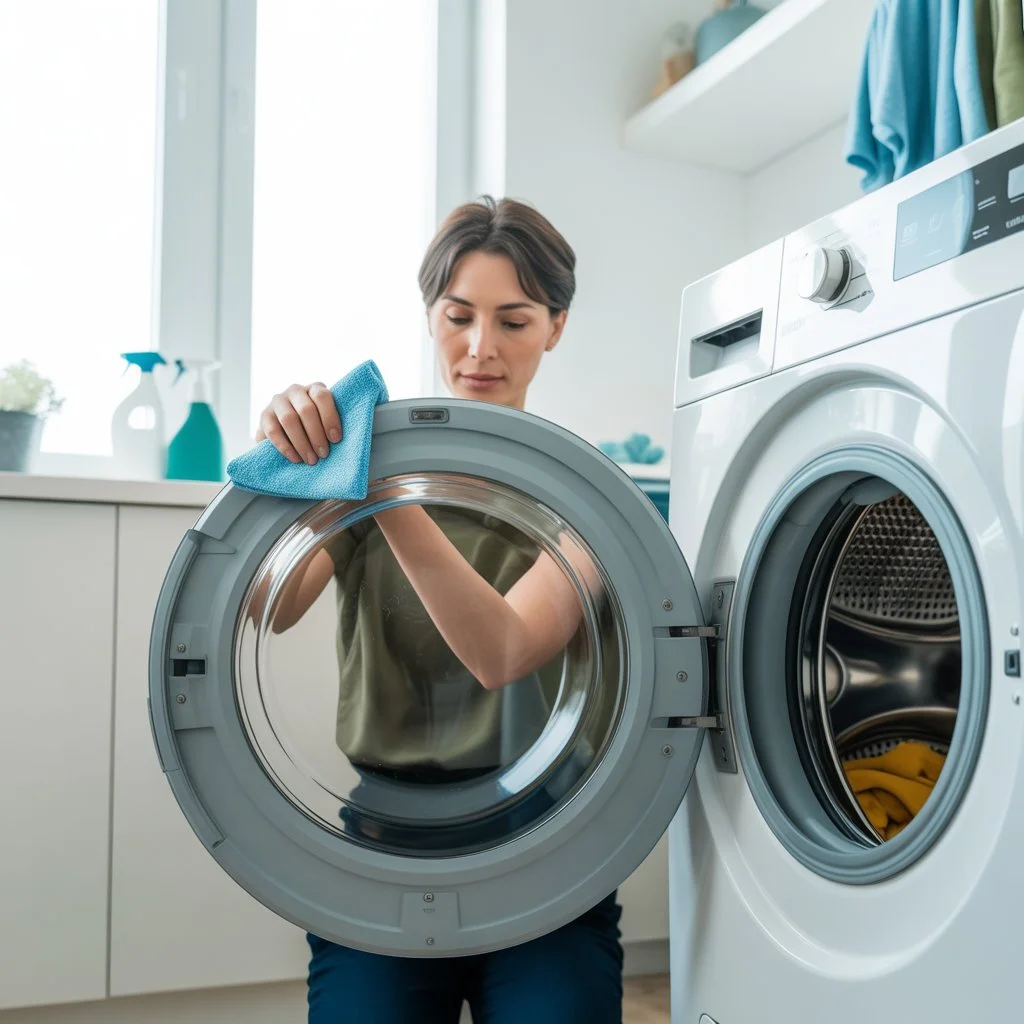
Learning exactly how to clean a washing machine starts with matching the right cleaning method to your specific drum type. To remove severe odors and invisible grime, you must deep clean the appliance every 30 days using a dedicated high-heat cycle alongside precise measurements of white vinegar, liquid bleach, or a commercial cleaner tablet.
Washing machines do not clean themselves during a normal laundry cycle. Over time, high-efficiency (HE) detergent, fabric softeners, and hard-water minerals build up deep inside the dark, damp mechanics of the appliance. If left untouched, this sticky residue transforms into black mildew inside the rubber door gaske, underneath the agitator, and within the drain pump filter, transferring a sour smell directly back onto your clothes.
This guide provides a complete mechanical breakdown for restoring your appliance to peak condition. It covers how to troubleshoot specific washing machine odors, the exact chemical measurements required for safe sanitization, and step-by-step deep cleaning instructions tailored specifically for both front-load and top-load models.
Cleaning steps can vary by washer brand and model. Before using bleach, vinegar, self-clean settings, or removing the filter or agitator, check the owner’s manual to make sure the method is safe for your machine.
What you need before you start
Before you begin cleaning, gather the right tools. Proper tools prevent damage to the appliance’s finish or rubber seals. Grab a clean microfiber cloth and a soft nylon brush. An old toothbrush works well for tight crevices. You will also need a highly absorbent towel, a shallow drip tray, and your chosen cleaning agent. Wear rubber gloves if you are handling liquid chlorine bleach or concentrated vinegar. Staging everything makes the job significantly easier. Having tools ready helps you work in the proper sequence without stopping.
Materials checklist
- Microfiber cloth (non-abrasive)
- Soft nylon brush or old toothbrush
- Large absorbent towel
- Shallow tray (for draining the pump filter)
- Rubber cleaning gloves
- Washer cleaner tablets (e.g., Affresh or OxiClean)
- Hydrogen peroxide (3% concentration)
- Liquid chlorine bleach (if approved by the manual)
- White cleaning vinegar (6% acidity, if approved by the manual)
- Baking soda (Sodium bicarbonate)
- Borax (Sodium tetraborate)
- Washing soda (Sodium carbonate)
Why Regular Washer Cleaning Matters
When cleaning your appliance, first understand a basic rule. The washer does not stay clean simply because it uses soap and water. Petroleum-based detergents and animal-fat-based softeners build up over time. Hard-water minerals
(calcium and magnesium) also contribute to the mess. This biological laundry residue coats the appliance’s hidden mechanics.
That microscopic buildup restricts water flow. It causes musty smells and severely affects cleaning performance. Soil residue transfers back onto your “clean” clothes. Neglecting maintenance shortens the lifespan of the motor and drain pump.
Regular care makes an immediate, visible difference. A washer deep-cleaned on schedule runs more efficiently. It smells entirely neutral and leaves laundry feeling softer.
What leads to mildew, residue, and odor buildup
When people ask how to clean a washing machine to eliminate odor, they must find the cause. You need to understand why the washer smells bad
in the first place. Trapped moisture combined with leftover product is always the root cause. A dark, warm, damp washer interior creates a perfect breeding ground for mold spores.
Using too much detergent means the machine cannot rinse it all away. A sticky soap coating stays behind. This happens frequently in modern high-efficiency (HE) machines. They use drastically less water than older models. Lint, fabric fibers, and sediment collect in the outer tub. Soap scum and hard water scale also coat the rubber door gasket, dispenser siphons, and drain hoses.
To diagnose your specific buildup issue, match the smell of your washer to the mechanical cause:
How often you should clean your washing machine
Washing machine care works best on a strict schedule. Do not wait for a foul smell to develop. Deep cleaning the machine every 30 wash cycles is the industry standard. This equals roughly once a month for a standard family.
Frequent, heavy laundry requires cleaning every two weeks. Lighter, single-person use may only require deep cleaning every two to three months. Clean the machine immediately if you notice a swampy odor or brown discoloration. Visible grey sludge or black mildew spots also demand immediate action. Waiting allows the buildup to calcify. Hardened scale is exponentially harder to remove.
Before You Begin: Identify Your Washer Type
You must identify your washer mechanics before cleaning any parts. The method changes drastically based on the machine design. Front-load, top-load, and combination units all require different approaches. Consult the owner’s manual to locate the dedicated “Clean Washer” cycle. Check the physical location of the drain filter. Learn how to safely remove the detergent drawer and center agitator.

Front-Load vs Top-Load Cleaning Comparison
| Washer Type | Main Problem Areas | What to Clean Most Often | Best Drying Habit |
|---|---|---|---|
| Front-Load Washer | Rubber door gasket, inner seal folds, dispenser drawer housing, and front drain pump filter. | The rubber door gasket, stainless steel drum, dispenser trays, and the debris filter. | Leave the front door propped open by at least 2 inches after every wash to allow cross-ventilation. |
| Top-Load Washer | Underside of the lid, top tub rim, base of the center agitator, and the fabric softener tray. | The upper tub rim, lid hinges, agitator base area, and internal dispensers. | Leave the top lid fully open after each wash. May require manual filter cleaning on select models. |
| Combo Washer-Dryer | Drum, inner gasket, and the condensing channels due to moisture retention after back-to-back cycles. | The main drum, the rubber gasket, and the door locking mechanism area. | Allow extended airflow after drying cycles finish. Benefits heavily from more frequent deep-cleaning checks. |
Step-by-Step Washing Machine Cleaning Process
Following a clear, top-to-bottom order is crucial. Start with the inside tub. Move to the chemical dispensers next. Clean the door or lid areas, flush the filters, and wipe down the exterior. Most washers respond exceptionally well to a dedicated high-heat cycle. Boiling water helps melt away waxy detergent buildup. It kills bacteria and flushes the internal hoses.
Before cleaning checklist
- Empty the washer completely and remove stray laundry.
- Review the owner’s manual for specific chemical warnings.
- Gather all cleaning materials, cloths, and brushes.
- Check if the machine possesses a dedicated “Tub Clean” cycle.
- Pull out all dispenser trays and detachable parts.
- Place a thick towel and a shallow drip tray near the bottom filter access door.
Empty the washer and prepare it for cleaning
Start with a completely empty, bone-dry washer. Check the drum thoroughly to remove all clothes. Leaving even a single stray sock behind causes problems. The fabric absorbs the cleaning chemicals. This prevents the solution from adequately flushing the machine’s mechanics. Pull out all removable dispenser inserts. Place them in the sink before you begin the internal cleaning.
Run a cleaning or hot-water cycle
Use the dedicated “Tub Clean” or “Sanitize” cycle if your machine has one. This program utilizes more water than a normal wash. It heats the water to a temperature that maximizes chemical activation. Manually select the hottest temperature setting if you lack this feature. Choose the longest cycle time available. A sustained hot water cycle is mandatory. It physically melts away congealed fabric softener. The heat dissolves calcium deposits and kills odor-causing bacteria.
Refresh the washer drum or tub
Focus on the stainless steel drum or porcelain tub first. Wait for the hot cycle to finish. Wipe the entire interior down with a microfiber cloth. This removes any loosened scale or residue. Utilize commercial cleaner tablets or 3% hydrogen peroxide for heavy buildup. Liquid chlorine bleach works well if approved by the manufacturer. DIY methods are highly popular. However, your chosen cleaner must match the specific grime you are trying to remove.
Clean the detergent and softener dispensers
Detergent and fabric softener drawers collect a massive amount of hidden buildup. They are frequently the primary source of sour odors. Remove the entire drawer housing if possible. Submerge the parts in a sink filled with hot water and dish soap. Aggressively scrub the siphon tubes with a soft brush. This step targets clumps of undissolved powder detergent. It removes sticky blue liquid residue and black mildew. Dry the parts thoroughly with a towel before sliding them back.
Wipe the door, lid, gasket, and other interior surfaces
Carefully wipe the washing machine lid and the underside of the door. Clean the inside lip, the rubber gasket, and all nearby surfaces. Front-load washers require meticulous care around the rubber door gasket. Mold spores, lint, pet hair, and stagnant water hide deep inside the overlapping folds. A mild peroxide solution works brilliantly for routine wiping. Severe black mildew may require a stronger bleach application. Never mix vinegar and bleach together. Drying these surfaces manually with a towel is just as important as washing them.
Check and clean the drain filter
Nearly all front-load washers feature a drain pump filter. Some newer HE top-load models have them too. These filters catch lint, keys, coins, and physical debris. Catching items early prevents drain pump destruction. Locate the small access door using your manual. Place a towel and a shallow tray underneath before unscrewing the cap. Expect 1 to 2 cups of foul, trapped water to pour out. Scrub the plastic filter under the sink to remove slimy buildup. Cleaning the filter dramatically improves drainage speed.
Clean around, underneath, and outside the machine
Do not stop at the inside. Spray an all-purpose cleaner on a cloth. Wipe down the top lid, side panels, and front glass. Pull the machine out slightly if possible. Sweep behind and underneath the unit. Heavy dust and dryer lint gather around the air intake vents. This dirt works its way back into the laundry space. A spotless exterior makes it easier to spot leaks or rust early.
After cleaning checklist
- Dry the stainless steel drum completely with a towel.
- Wipe the rubber gasket folds or the top lid area.
- Rinse and replace the detergent dispensers.
- Tighten the drain pump filter securely to prevent leaks.
- Clean the exterior panels and glass door.
- Prop the door or lid open to allow permanent airflow.
- Inspect the drum for any remaining odor or gritty residue.
Cleaning Products You Can Use
No single “magic” cleaner works best for every washing machine problem. Choose your chemical agent based on the washer type and buildup level. Commercial tablets, heavy-duty bleach, and oxidizing hydrogen peroxide are all effective. Acidic vinegar or alkaline borax mixtures work well too. Match the product to the specific soil type. Always verify the chemical against your owner’s manual.
Important Safety Note
⚠️ Important Safety Note:
Never mix liquid bleach with white vinegar, ammonia, or other household cleaners. Doing so creates an immediate chemical reaction. It releases lethal toxic gas, as warned by the Centers for Disease Control and Prevention (CDC). Check your washer’s manual before using bleach or high-acidity vinegar. Verify safety rules before running high-heat self-clean settings or removing mechanical parts.
Store-bought washing machine cleaner tablets
Commercial cleaner tablets are the easiest, most foolproof option. These products contain specialized oxygenated bleaching agents and sodium carbonate. The ingredients foam up to reach the top of the outer drum. Drop a single tablet directly into the empty washer drum. Never put tablets in the dispenser. Run a hot or “Tub Clean” cycle. These tablets provide a simple, hands-off monthly routine.
Bleach for sanitizing the washer tub
Liquid chlorine bleach is the most powerful chemical for killing aggressive bacteria. It excels at destroying black mold spores and removing stubborn biological odors. Use exactly 1/2 cup of liquid bleach. Pour it directly into the bleach compartment. Never put bleach into the detergent slot. Bleach is highly corrosive. Overusing it will prematurely degrade your rubber door seals and internal plastic hoses.
Hydrogen peroxide as an alternative cleaner
Hydrogen peroxide acts as an outstanding oxidizing agent. It is far less caustic and toxic than chlorine bleach. The liquid effortlessly breaks down organic dirt, blood residue, and mildew stains. Use exactly 1 cup of 3% hydrogen peroxide. Pour the solution into the detergent dispenser and run a hot cleaning cycle. This chemical is highly safe for plastic, enamel, and stainless steel interior components.
Vinegar and baking soda for routine cleaning
White vinegar and baking soda serve as the gold standard DIY options for routine maintenance. The high acetic acid content in vinegar brilliantly dissolves calcium buildup. Baking soda naturally neutralizes foul odors. Use exactly 2 cups of white cleaning vinegar (6% acidity). Measure out 1/2 cup of baking soda. Pour the baking soda directly into the empty drum. Pour the vinegar into the detergent dispenser. Run a hot water cycle. I highly recommend this approach for light monthly upkeep.
Borax and washing powder for heavy buildup
A combination of borax and washing soda provides exceptional alkaline cleaning power. This method tackles extreme, caked-on buildup effectively. It drastically raises the pH of the water. Softened water allows the heat to strip away heavy layers of waxy fabric softener. Add 1/2 cup of borax and 1/2 cup of washing soda directly to the drum. Follow this with a heavy-duty hot cycle. Use this deep-rescue method for machines neglected for years.
How to Clean a Front-Load Washing Machine
Front-load washers utilize a horizontal drum. Gravity forces water, lint, and detergent down toward the door. This design means front-loaders require highly specific attention to the physical seals. Proper care prevents catastrophic leaks and odors.
Focus on the drum, rubber seal, and door area
The shiny stainless steel drum may look perfectly clean. However, the thick rubber seal tells a different story. Deep accordion folds hold lint, pet hair, and soap scum after every cycle. Peel back the layers of the rubber gasket carefully. Spray a cloth with 3% hydrogen peroxide. Aggressively wipe out the folds until the cloth comes back completely clean. Check this area first if your washer smells like a swamp.
Extra deep-cleaning tips for front-load washers
Professional-level deep cleaning requires removing the detergent trays. Soak them in hot soapy water for 20 minutes. Open the bottom access panel next. Manually unscrew the drain pump filter to clear out trapped sludge and coins. Wipe down the glass door interior at the end. Sticky detergent residue frequently coats the glass. This grime transfers onto your clean clothes as they tumble past it.
How to Clean a Top-Load Washing Machine
Top-load machines operate vertically. They require a slightly different tactical approach. The primary focus shifts away from the door. You must target the deep outer tub and the underside of the heavy lid. Pay attention to the upper drum rim and the central agitator column.
Clean the tub, lid, and upper rim thoroughly
The upper plastic rim and lid hinges collect hidden, hardened grime. The inside lip of the drum also traps dirt. Use the “Pause and Soak” method when executing a cleaning cycle. Let the machine fill completely with hot water and 4 cups of vinegar. Pause the cycle for a full 60 minutes. Dip a microfiber cloth into the tub while the hot vinegar water sits. Aggressively scrub the exposed upper rim and the underside of the lid.
Extra deep-cleaning tips for top-load washers
Pop the cap off the top of the center agitator if your model permits it. This hollow column frequently fills with stagnant water and black sludge over time. Check the manual and use a socket wrench if required. Remove the agitator bolt and lift the plastic column out. Scrub the inside of the agitator with a long bottle brush. Rinse it thoroughly and securely bolt it back into place.
Mistakes to Avoid While Cleaning Your Washer
A vast majority of mechanical failures stem from small, daily habits. Using too much soap and utilizing the wrong chemicals guarantee massive buildup. Closing the door too quickly also contributes to the problem.
Using too much detergent
More detergent absolutely does not equal cleaner clothes. When you fail to measure detergent accurately, the machine simply cannot rinse away the excess suds. Modern high-efficiency washers use very little water. Pouring in a full cap of liquid soap creates a thick, sticky sludge. This residue coats the inner hoses and outer tub. It feeds odor-causing bacteria for months. Never use more than 2 tablespoons of liquid HE detergent for a standard load.
Choosing overly harsh or unsuitable products
Pouring undiluted, industrial-strength degreasers directly onto rubber seals is dangerous. Pure bleach will rapidly dry out and crack the gaskets. This damage leads to massive flooding leaks. Always dilute harsh chemicals before use. Ensure the product is actually rated for appliance interiors. A gentler product used consistently every month is vastly superior. It easily outperforms a highly corrosive chemical used once a year.
Using dish soap as a substitute
Never use liquid dish soap inside a washing machine. Products like Dawn are not formulated for high-efficiency pumps. They create massive suds that overflow rapidly. This foam will easily short-circuit the machine’s control board.
Skipping routine cleaning cycles
Hidden layers of biological buildup constantly grow on the outside of the drum. You cannot see this grime from the main door. Skipping regular, monthly cleaning cycles allows hard water minerals to calcify. Organic grime hardens alongside it. Musty smells on freshly washed clothes act as a guaranteed warning sign. It proves the internal mechanics have been neglected for far too long.
Closing the door or lid right after use
Slamming the washer door shut immediately after removing wet laundry is a huge mistake. This action permanently traps 100% humidity inside a warm, dark metal box. The sealed environment creates a perfect biological breeding ground. It grows aggressive black mold and mildew overnight.
Simple Habits to Keep Your Washing Machine Fresh
Keeping a washer smelling fresh is largely about executing small, effortless habits. Move your wet clothes to the dryer immediately. Let damp bath towels dry out before tossing them into the laundry hamper. Wipe out the door seal weekly. These tiny steps save hours of disgusting deep-cleaning work later.
💡 Helpful Tip:
Set a repeating monthly calendar reminder on your smartphone for maintenance. Spend just 10 minutes wiping the gasket and flushing the drain filter. Toss in a cleaning tablet while you work. This short routine entirely prevents severe odor and mechanical breakdown problems.
Leave the door or lid open after each wash
Get into the strict habit of leaving the front door open after every single load. Top lids should remain open as well. This allows the internal ambient temperature to drop. Dry air circulates through the drum and evaporates residual moisture. Front-loaders do not need to stay wide open. Simply propping the door ajar by 2 inches stops mildew dead in its tracks.
Stay on top of regular maintenance checks
Inspect the drain pump filter and the detergent dispenser drawer at least once a month. Check the rubber gasket and the main drum simultaneously. Wipe away heavy dust and lint from the exterior of the machine. Most importantly, never let wet laundry sit in the drum for hours. Establishing these incredibly small daily habits makes the biggest difference in maintaining a perfectly clean appliance.
