


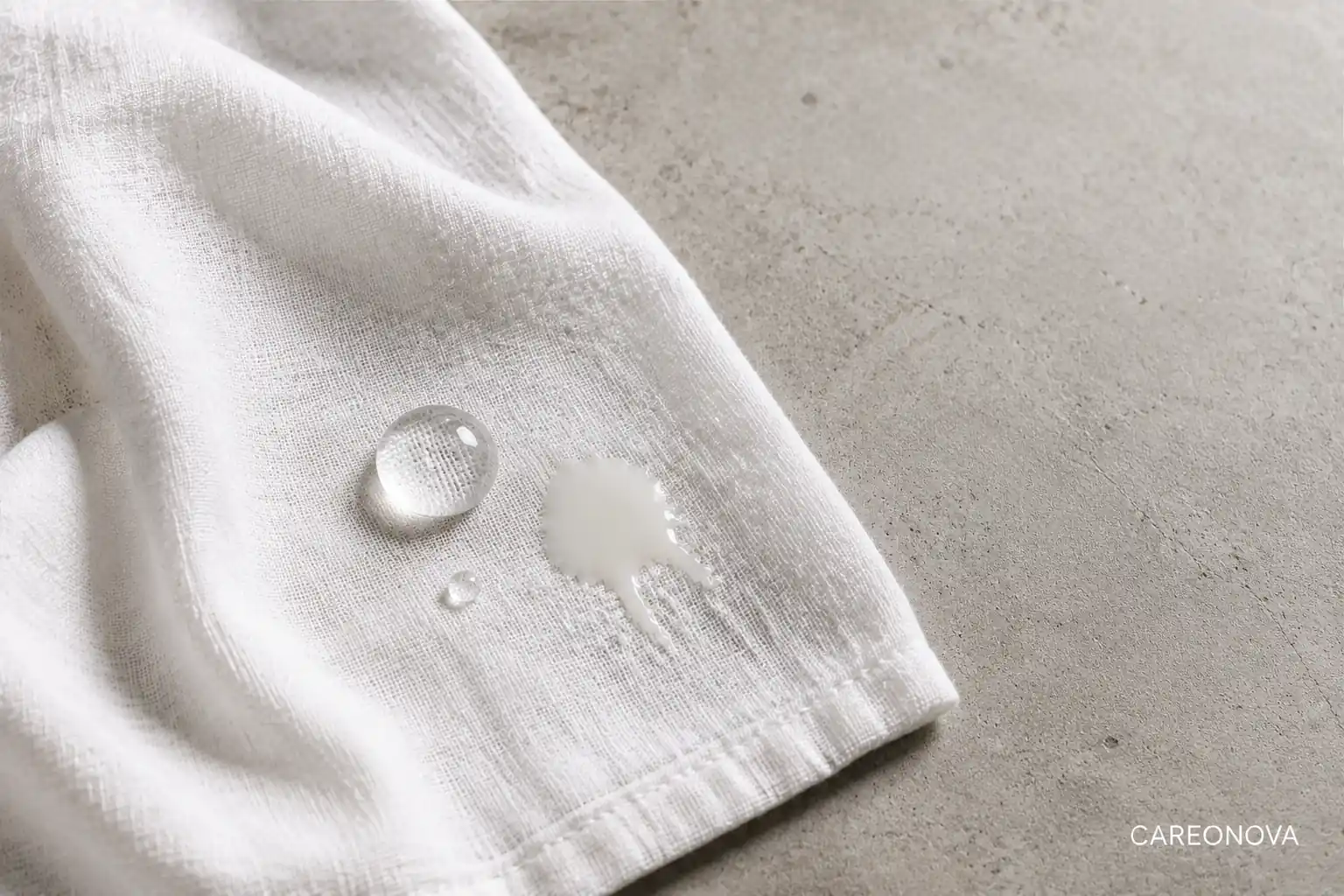
If you are trying to figure out how to remove milk stains from clothes, the most important rule is to always use cold water. To lift the stain quickly, flush the fabric from the back with cold running water, massage in a heavy-duty enzyme laundry detergent or a drop of dish soap, and let it sit for 15 minutes before running a cold wash cycle. Never put the garment in a clothes dryer until the spot is completely gone, as high heat will permanently cook the milk proteins and bind them into the fibers.
That quick process works perfectly for a standard spill, but different dairy products require slightly different chemistry to clean effectively. Breast milk contains high amounts of fat that require a heavy degreaser, while baby formula contains iron that oxidizes and turns yellow if left untreated. Whether you are dealing with a fresh spill, a delicate material like silk, a stubborn yellow stain that already went through the dryer, or a lingering sour odor, this guide covers the exact steps and safe cleaners you need to rescue your clothing.
Quick Reference: The Milk Stain Triage Table
Before you start scrubbing, identify what kind of milk you spilled so you can choose the right chemistry.
| Type of Milk | Primary Problem | Best Pre-Treatment | Water Temp |
|---|---|---|---|
| Standard Cow’s Milk | Heavy Casein Protein | Enzyme Cleaner (Puracy/OxiClean) | Cold Only |
| Breast Milk | High Lipid/Fat Content | Degreaser (Dawn Dish Soap) | Cold Only |
| Baby Formula | Iron Oxidation (Yellowing) | Oxygen Bleach Soak | Cold Only |
| Plant Milks (Oat/Almond) | Emulsifiers & Oils | Degreaser (Dawn Dish Soap) | Cold Only |
The Golden Rule: Why Hot Water Permanently Sets Milk Stains
If there is one thing worth remembering when dealing with dairy spills, it is this: keep it cold.
Milk is heavily composed of a protein called casein. When you expose casein to hot water, it reacts exactly the same way an egg does when it hits a hot frying pan—it cooks. The heat causes the proteins to coagulate and permanently bind to the fibers of your clothing. Once a milk stain is heat-set, it becomes incredibly difficult to reverse. Always use cold water for soaking, rinsing, and washing.
How to Remove Fresh Milk Stains (The 4-Step Wash)
When a spill just happened, time is on your side.
What You Will Need:
- Cold running water
- Microfiber cloth or white paper towels
- For standard milk: An enzyme-based laundry spray
- For breast/plant milk: Dawn dish soap
Here is the quick process:
- Blot the surface to remove excess liquid.
- Flush with cold water from the back of the stain.
- Apply an enzyme treatment or dish soap.
- Cold wash and air dry.
Step 1: Blot the Surface (Never Rub)
Use a clean paper towel or microfiber cloth to gently blot up the excess liquid. The easy mistake here is scrubbing the stain. Rubbing creates friction and pushes the milk proteins deeper into the warp and weft of the fabric, making it much harder to wash out.
Step 2: Flush from the Reverse Side
Take the shirt off and hold the stained area under a cold running faucet, but do it from the back of the stain. You want the water pressure to push the milk back out the way it came in, rather than forcing it entirely through the garment.
Step 3: Apply an Enzyme Pre-Treatment
Milk requires an enzyme cleaner—specifically one containing protease, which is designed to break down proteins. Spray a commercial laundry pre-treater directly onto the spot. If you prefer a DIY route, make a quick paste of cold water, baking soda, and a single drop of liquid laundry detergent. Gently tap it into the stain and let it sit for 15 minutes.
Step 4: Cold Wash & Air Dry (The “No Heat” Rule)
Wash the garment on your machine’s cold water setting. When the cycle finishes, do not put the item in the dryer. Even on a low setting, a dryer will bake any microscopic, leftover proteins into the fabric. Hang the garment to air dry. If you can still see a shadow of the stain once it is dry, repeat the pre-treatment.
The “Breast Milk” Difference: High Fats vs. Heavy Proteins
One of the most common questions frustrated parents ask is why breast milk seems to stain so much worse than regular cow’s milk. The answer comes down to fat content and oxidization.

Why Breast Milk Acts Like a Grease Stain
Breast milk has a significantly higher lipid (fat) content than standard milk. While regular cow’s milk is primarily a protein stain, breast milk is essentially a grease stain disguised as a protein stain (which is exactly why it often leaves a distinct, oily shadow on dark clothes). Standard laundry detergents often fail here because they are formulated to tackle everyday dirt, not heavy biological fats.
Because of its high fat content, my favorite trick for breast milk stains is to bypass laundry pre-treaters entirely. Instead, use a heavy surfactant and degreaser—like Dawn dish soap. Work a few drops of Dawn into the breast milk stain with your fingers. The dish soap breaks the lipid barrier, allowing the cold wash water to easily lift the proteins away.
Baby Formula & The Yellowing Oxidation Problem
Formula stains present a different challenge. Baby formula is fortified with synthetic vitamins and iron. If formula is left on a shirt, the iron oxidizes over time, turning into a stubborn, rust-like yellow stain. If you are dealing with formula, you need to wash the garment immediately with a gentle baby laundry detergent; otherwise, you will likely need an oxygen bleach soak to reverse the yellowing.
(Note: Plant-based milks like oat, almond, or soy are emulsion-based, meaning they are heavy in oils and starches rather than proteins. Treat these exactly like breast milk by using a degreasing dish soap first.)
Fabric-Specific Milk Stain Removal Guide
What works for a cotton onesie can instantly ruin a silk blouse. Always check your care tag, and adjust your chemistry based on the material. (See our complete fabric care symbol guide if you are unsure).
Cotton & Linen (Natural Plant Fibers)
These fabrics are highly durable and highly absorbent. They will soak up a lot of milk, but they can easily handle aggressive cold-water soaking, heavy scrubbing, and powdered oxygen bleach without losing their structural integrity.
Synthetics (Polyester, Spandex, & Activewear)
Synthetic fabrics are oleophilic, which is a technical way of saying they love oil. They will aggressively lock onto the fats in breast milk and plant-based milks. You will likely need to let synthetics soak in a degreasing dish soap solution for at least 30 minutes before washing them to fully break that bond.
Commercial milk stain removers use protease enzymes designed to eat protein-based stains. Because wool and silk are made entirely of animal proteins, applying an enzyme cleaner to these fabrics will literally eat holes through the weave.
Never use standard stain removers on silk or wool; use a gentle, pH-neutral detergent and cold water only.
How to Remove Dried, Yellowed, and Set-In Milk Stains
If you missed a spot, or accidentally ran a milk-stained shirt through the dryer, standard washing will not work. The stain is now chemically set, and you need a slow, soaking approach to lift it.
The Oxygen Bleach Cold-Soak
Fill a basin with cold water and a scoop of powdered oxygen bleach (like OxiClean or a generic sodium percarbonate powder). Submerge the yellowed garment and leave it for at least four hours—or ideally overnight. Oxygen bleach works slowly in cold water to break down the oxidized bonds of the stain without stripping the color from the fabric.
Sun-Drying as a Natural Bleach Alternative
If you are dealing with faint yellow shadows on white baby clothes and want to avoid heavy chemicals, use the sun. Wash the garment as usual, but lay it out flat in direct, strong sunlight while it is still wet. The ultraviolet rays actively break down residual organic pigments, naturally bleaching the stain away over a few hours.
How to Neutralize the “Sour Milk” Smell in Clothing
Sometimes the visual stain is gone, but the garment still smells terrible. That sour odor is caused by butyric acid, a byproduct created when naturally occurring bacteria begin breaking down the milk lipids in the fabric fibers.
To strip this odor, do not just use more strongly scented laundry detergent—that only masks the smell temporarily. You need to neutralize the acid. Wash the garment on cold as usual, but during the rinse cycle, pour one cup of distilled white vinegar directly into the machine drum. The mild acetic acid in the vinegar safely dissolves the odor-causing bacteria and neutralizes the butyric acid without damaging the fabric. The vinegar smell will completely dissipate as the garment air dries.
Conclusion
Successfully rescuing your clothes from a dairy spill always comes down to avoiding heat and choosing the right cleaner. Whether you need dish soap to break down high-fat breast milk or an oxygen soak to lift yellowed baby formula, learning how to remove milk stains is simple once you know what you are dealing with. Just remember to always air dry the fabric after washing, and only toss it into the machine dryer once you are absolutely sure the spot and the sour smell are gone for good.
