


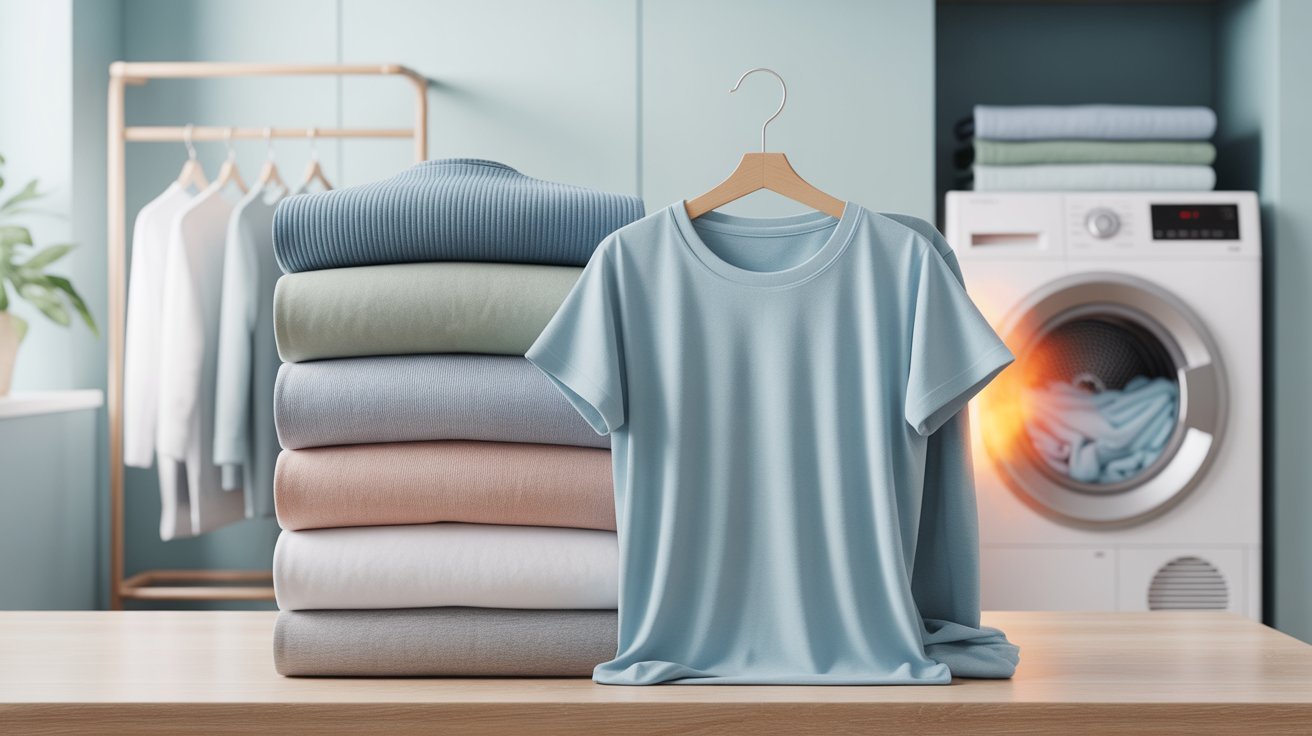
Few laundry mistakes are more frustrating than pulling out a favorite shirt and finding that it no longer fits the same way. Clothes usually shrink because of heat, movement, moisture, and overdrying. To help prevent clothes from shrinking, wash them in cold or cool water, use a gentle cycle, avoid fast spins, and dry them on low heat or air dry when possible.
Some fabrics shrink more easily than others, especially cotton, wool, rayon, and linen. In this guide, you will learn why clothes shrink, whether they shrink more in the washer or dryer, and how to wash different fabrics safely.
Quick Answer
To stop clothes from shrinking, wash them in cold or cool water, use a gentle cycle, avoid high spin speeds, and dry clothes on low heat or air dry when possible. Clothes usually shrink because of heat, movement, moisture, and overdrying, especially if they are made from cotton, wool, rayon, or linen.
The safest way to help prevent shrinkage:
- Wash in cold or cool water
- Use a gentle cycle
- Air dry or use low heat
Why Clothes Shrink
Clothes shrink when fibers react to water, heat, movement, or a mix of all three. Some fabrics are more stable than others. Because of this, one item may keep its shape while another comes out smaller.
Heat
Heat is one of the main causes of shrinkage. It can make fibers tighten or contract as moisture leaves the fabric. In general, the more heat a garment gets, the higher the risk.
Movement
Movement from washing and drying can also cause shrinkage. Strong cycles can stress fibers, change the shape of the fabric, and increase shrinkage. This is especially true for delicate clothes and knit items.
Moisture and drying
Water changes the way fibers behave. Some fibers swell when they get wet, then settle into a smaller shape as they dry. When drying is combined with heat, the effect can be stronger.
Fiber type and fabric construction
Natural fibers often shrink more than many synthetic fibers because they absorb more moisture and react more to heat and movement. Cotton, wool, linen, silk, and rayon all behave differently.
The way a fabric is made also matters. Knit fabrics usually stretch more, so they can lose shape or shrink more easily than tightly woven fabrics. For example, T-shirts and sweaters often need more care than structured woven shirts.
Blends can be harder to predict. A fabric made from two or more fibers may shrink less than a natural-fiber garment, but it is not always safe. In many cases, the most shrink-prone fiber in the blend decides how careful you need to be.
Wool and cotton also shrink in different ways. Cotton often shrinks when the fibers relax and tighten after washing and drying. Wool is more sensitive to heat, moisture, and friction, which can make the fibers pack together.
Do Clothes Shrink in the Washer or the Dryer?
Both can cause shrinkage, but not in the same way.
How the washer causes shrinkage
Clothes may shrink in the washer because of:
- hot or warm water
- long wash cycles
- strong movement
- fast spin speeds
- heavy-duty settings
Some fabrics are more likely to shrink when wet. For example, wool, rayon, viscose, and delicate knits can react badly to heat or rough washing.
How the dryer causes shrinkage
The dryer is often the bigger problem for everyday clothes. Dryer shrinkage usually happens because of:
- high heat
- long drying times
- overdrying
- repeated tumble drying over time
A garment may come out of the washer looking normal, then shrink in the dryer after too much heat. This often happens with cotton and cotton blends.
Which one is more likely to shrink clothes?
For many everyday clothes, the dryer is more likely to cause noticeable shrinkage than the washer. This is especially true for T-shirts, sweatshirts, cotton basics, and knit items.
However, the washer can also cause shrinkage, especially with wool, rayon, silk, and other delicate fabrics. In many cases, the washer starts the shrinkage and the dryer makes it worse. To help prevent clothes from shrinking, pay attention to both steps.
How to Stop Clothes From Shrinking
If you want to keep clothes from shrinking, the goal is to put less stress on the fabric. That means using less heat, gentler washing, and safer drying methods.
Check the care label first
The care label is the best place to start. It tells you how much heat, water, and movement the garment is made to handle.
This matters because fiber content does not tell the whole story. A cotton sweater, a cotton dress shirt, and a cotton T-shirt may all need different care. The way the item is made and finished can change how it reacts in the wash.
Wash in cold or cool water
Cold or cool water is one of the easiest ways to lower the risk of shrinkage. It is usually the safer choice for cotton, linen, blends, dark colors, and many everyday clothes.
Hot water has its uses, but it is not the best default if you want to protect size and shape.
Use a gentle or delicate cycle
Gentle cycles reduce friction and stress on the fabric. That is especially helpful for:
- wool
- rayon and viscose
- silk
- sweaters
- knits
- lightweight cotton clothes
Avoid heavy-duty cycles and fast spins
Heavy-duty cycles are made for strong, heavily soiled loads, not shrink-prone garments. They use more force, which can stress fibers and tighten fabric.
Fast spins can also make delicate clothes harder to reshape after washing. When in doubt, use a lower spin speed.
Dry on low heat, air dry, or remove clothes while slightly damp
This is one of the best ways to lower the risk of shrinkage. Safer options include:
- air drying flat or on a hanger
- tumble drying on low heat only if the care label allows it
- removing clothes while they are still slightly damp and letting them finish air drying
Avoid overdrying
Overdrying is one of the most common causes of shrinkage. It exposes fabric to extra heat and tumbling, which can make clothes smaller, stiffer, and more worn over time.
If you use a dryer:
- choose the lowest heat setting that works
- use moisture sensors if your dryer has them
- check clothes before the cycle ends
- remove items soon after they are dry
Use extra care for delicate or shrink-prone garments
Some clothes need more than a standard cold wash and low-heat drying routine.
Use extra care with:
- wool sweaters
- rayon dresses
- silk blouses
- linen shirts
- fitted cotton basics
- garments labeled reshape, lay flat, or dry clean
Which Fabrics Are Most Likely to Shrink?
Different fibers react differently in the washer and dryer. Knowing the risk can help you make better laundry choices.
Cotton
Cotton is one of the most common fabrics people worry about, and for good reason. It can shrink in both the washer and dryer, especially when exposed to heat. Knit cotton clothes often shrink more than woven cotton items.
Wool
Wool is one of the highest-risk fabrics for shrinkage. It reacts strongly to heat, moisture, and friction. Even a small laundry mistake can make a wool garment tighter, denser, and much smaller.
Linen
Linen can shrink too, especially in hot water or high dryer heat. However, it usually does better when washed in cool water and air dried or dried briefly on low heat.
Rayon and viscose
Rayon and viscose are some of the trickiest fabrics to care for. They can shrink, stretch, or lose shape, especially when wet. Even if the care label says machine washable, they usually need a delicate cycle and careful drying.
Silk
Silk is sensitive to heat and rough handling. Some silk garments can be hand washed, but many are safer with very gentle care. Machine drying is usually too harsh.
Polyester
Polyester is usually more resistant to shrinkage than cotton, wool, linen, or rayon. Still, that does not mean it never shrinks. High heat can affect polyester, especially in blends or lightweight clothes.
Blends
Blends can vary. A cotton-polyester blend often shrinks less than 100% cotton, while a rayon blend may still need delicate care. That is why checking the care label and fiber content matters more than guessing.
Best Wash and Dry Settings by Fabric Type
| Fabric | Shrink Risk | Best Wash Temp | Best Cycle | Best Drying Method |
|---|---|---|---|---|
| Cotton | Moderate to high | Cold or cool | Normal or gentle, depending on garment | Low heat or air dry; remove slightly damp |
| Wool | High | Cold | Delicate or hand wash if allowed | Lay flat to air dry |
| Linen | Moderate | Cold or cool | Gentle | Air dry or brief low heat |
| Rayon/Viscose | High | Cold | Delicate | Air dry, flat or carefully hung |
| Silk | Moderate to high | Cold | Delicate or hand wash if allowed | Air dry away from direct heat |
| Polyester | Low to moderate | Cool or warm if allowed | Normal or gentle | Low heat or air dry |
| Blends | Varies | Usually cold or cool | Gentle when unsure | Dry based on the most delicate fiber |
A few simple rules make this easier:
- when in doubt, use less heat
- dry based on the most delicate fiber in the garment
Common Laundry Mistakes That Make Clothes Shrink
Sometimes the easiest way to prevent shrinkage is to avoid the habits that cause it.
Using hot water on shrink-prone fabrics
Hot water raises the risk of shrinkage for cotton, wool, linen, rayon, and many blends.
Using heavy-duty cycles for everyday clothes
Stronger cycles are not better for most garments. More force means more stress on the fabric.
Overdrying clothes
Overdrying exposes clothes to extra heat and tumbling. As a result, it can damage fabric and affect fit.
Assuming low heat is always safe
Low heat is safer than high heat, but it is not the best choice for every fabric. Wool, rayon, silk, and some blends are often better to air dry.
Assuming every fabric and dryer setting behaves the same way
Different fabrics react differently to washing and drying. A setting that works for polyester may still be too harsh for cotton, rayon, or wool.
Can You Fix Clothes That Already Shrunk?
Sometimes, but only a little.
Mild shrinkage can sometimes improve if you gently reshape the garment while it is damp. However, severe shrinkage, especially in wool or heavily overdried items, is often permanent.
Prevention is more reliable than trying to reverse shrinkage. Once fibers have tightened, packed together, or changed shape, the original size may not fully return.
Conclusion
To help stop clothes from shrinking, use less heat, gentler wash settings, and drying methods that match the fabric. Some clothes shrink more in the washer, some more in the dryer, and some are at risk in both. In short, the safest approach is to care for each fabric the right way.
FAQs
Cold water helps reduce the risk of shrinkage, but it does not guarantee that clothes will never shrink. Agitation, spin speed, and dryer heat can still cause problems.
Many clothes shrink more in the dryer because of heat and extended tumbling. However, some fabrics, especially wool, rayon, and delicate knits, can also shrink in the washer.
No. Some cotton garments are preshrunk or made in ways that reduce shrinkage. But cotton is still one of the more shrink-prone everyday fabrics, especially in the dryer.
Polyester is usually more shrink-resistant than natural fibers, but it can still shrink under high heat, especially in blends.
No. Fabric softener may improve softness and reduce static, but it is not a reliable way to prevent shrinkage.
Sometimes a mildly shrunken garment can be reshaped a little, but permanent full restoration is not guaranteed. Prevention is usually the better solution.
