


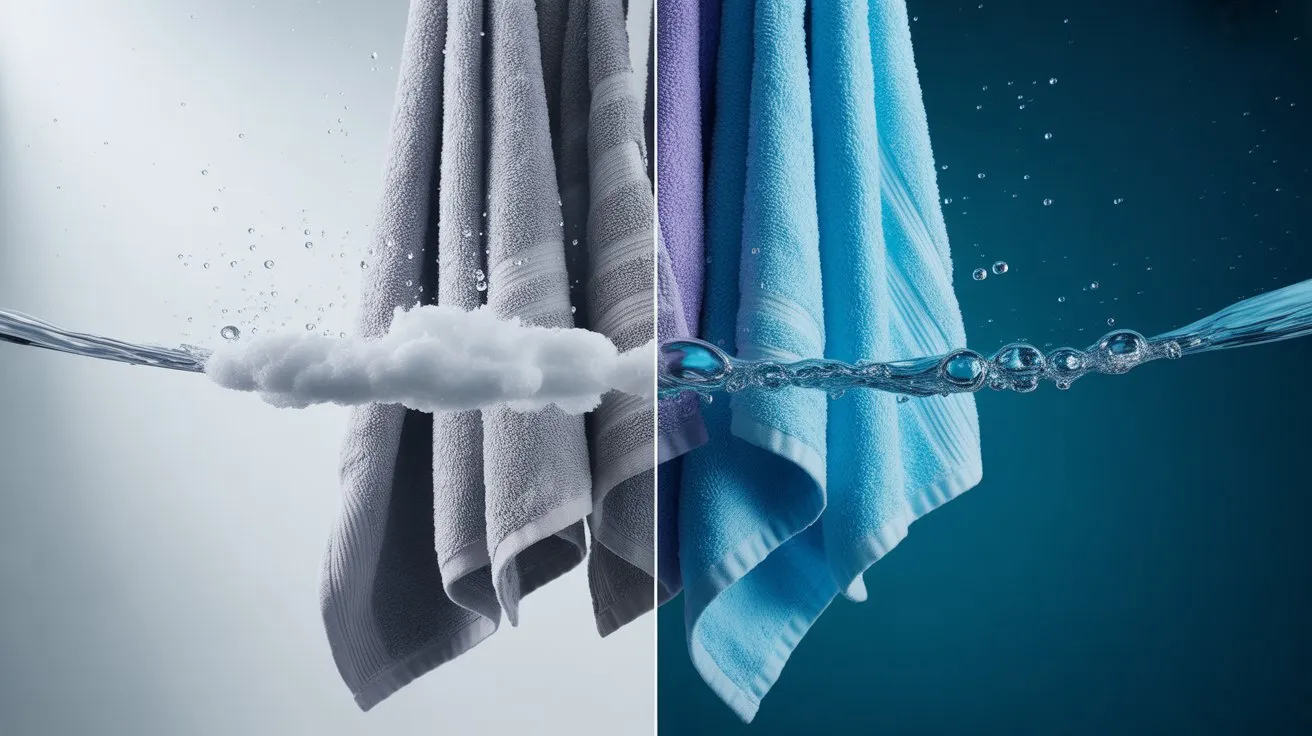
Detergent can seem frustratingly weak in mineral-heavy water, especially when clothes come out looking dull, feeling stiff, or still smelling a little off. Why detergent doesn’t work in hard water is a common question, but the real issue is not that detergent completely fails. It usually works less efficiently because calcium and magnesium in hard water interfere with the cleaning process.
That reduced performance can lead to residue, poorer rinsing, and laundry that never feels fully clean no matter how carefully you wash it. In this article, you’ll learn what hard water does to detergent, how to tell if it is affecting your laundry, and the most practical ways to fix the problem without overcomplicating your routine.
Why doesn’t detergent work well in hard water?
Detergent does not usually stop working in hard water, but it often works less efficiently. Calcium and magnesium in hard water can interfere with the cleaning process, reduce how well detergent lifts dirt and oils, and increase the chance of residue on clothes and inside the washing machine.
Why Detergent Seems Not to Work in Hard Water
Hard water makes detergent less efficient by interfering with the cleaning process and making it easier for residue to build up.
Hard water interferes with cleaning performance
Detergent contains surfactants and other ingredients that help lift dirt and oils away from fabric. In hard water, calcium and magnesium can reduce how effectively that process works.
The result is simple: the same detergent, wash cycle, and load size can give worse results when the water is hard.
Dirt and oils are harder to remove
When detergent works well, it helps surround soils and suspend them in water so they can rinse away. Hard water can make that process less effective, especially over time or in very hard water.
That often shows up as laundry that looks almost clean, but not quite. Clothes may seem dull, feel rough, or hold onto odors longer than they should.
Minerals and detergent residue can build up on fabric
Hard water can leave mineral deposits on clothing, and detergent residue can become more noticeable when rinsing is less effective. Over time, that buildup can make towels feel stiff, whites look dingy, and dark clothes show streaks or film.
This is one reason laundry problems in hard water often get worse gradually instead of all at once.
Less foam can make detergent look weaker
Foam is not the same thing as cleaning power, but many people naturally treat bubbles as proof that a detergent is working. In hard water, foaming can be reduced, which can make the wash feel less effective even before you see the results.
The real issue is not the missing bubbles. It is the reduced cleaning efficiency behind them.
The Truth Most People Miss
Detergent usually still works in hard water. Soap is the product that is affected much more severely.
That distinction matters because people often use “soap” and “detergent” interchangeably, even though they behave differently in mineral-heavy water.
Soap is usually worse in hard water
Traditional soap reacts readily with calcium and magnesium and can form insoluble residue often called soap scum. That residue does not rinse away easily and can interfere with cleaning.
This is why plain soap is a poor choice for laundry in hard water.
Detergent is designed to perform better, but not perfectly
Modern laundry detergents are generally designed to work better than soap in hard water. They can still clean, but their performance may drop when water hardness is high.
That is why people in hard water areas often need the right detergent formula, the right dose, or extra help from a booster or water softener.
Why your laundry still looks dirty anyway
When hard water reduces detergent performance, dirt may not lift as effectively, residue may stay on fabric, and rinsing may not be as clean as it should be. The clothes are washed, but the result can still look or feel underwhelming.
So the more accurate version of the problem is this:
- Detergent usually works less efficiently in hard water
- Soap usually performs much worse
- The harder the water, the more noticeable the laundry problems can become
What to Do First
If detergent does not seem to work well, start with the basics in this order:
- Confirm whether your water is hard
- Check the detergent label for hard water dosing guidance
- Switch to a detergent that performs well in hard water
- Use a booster or softening aid if problems continue
- Clean the washing machine if buildup is already present
This approach saves time and avoids the most common mistake: adding more and more detergent and hoping for a miracle.
Signs hard water is affecting your laundry
- Clothes look dull or faded after washing
- Towels feel stiff or rough
- Dark fabrics show streaks or residue
- Laundry smells less fresh than it should
- Your washer has visible scale or buildup
- Faucets or shower glass also show mineral spotting
Why these signs matter
Laundry problems rarely happen in isolation. If your clothes feel rough and your shower door also looks permanently annoyed, hard water is probably involved.
Hard Water vs. Soft Water: What Changes for Detergent?
Detergent usually works more efficiently in soft water because there are fewer minerals interfering with the cleaning process.
If your detergent works fine in one house and feels disappointing in another, the water itself may be the reason.
Soap vs. Detergent in Hard Water
Detergent performs better than soap in hard water, but it can still lose efficiency. Soap is more likely to form residue, while detergent is more likely to keep cleaning, just not as effectively as it would in soft water.
If you live in a hard water area, detergent is the better choice. It is just not always enough on its own.
Liquid vs. Powder Detergent in Hard Water
Neither format wins every time. The better choice depends on the formula, your water hardness, and how you wash.
Liquid detergent
Liquid detergent can be a practical choice in hard water because it dissolves easily and may leave less visible residue, especially in cooler washes.
It is often a good fit for everyday laundry when residue is already a problem.
Powder detergent
Powder detergent can work very well, especially on heavily soiled laundry, but some powders may be more likely to leave residue if they do not dissolve fully or if dosing is too high for the wash conditions.
In hard water, that can make existing residue problems more noticeable.
Which one should you use?
Choose based on performance, not habit.
Liquid detergent may make more sense if:
- You wash mostly in cool or cold water
- You often notice streaks or residue
- You want easier day-to-day use
Powder detergent may still work well if:
- You wash heavily soiled items
- You usually wash in warmer water
- The formula is designed to perform well in hard water
The formula matters more than the format alone. A detergent made for hard water usually matters more than whether it comes in a bottle or a box.
Do You Need More Detergent or Something Else?
Using more detergent can help in hard water, but only up to a point. If you keep increasing the dose without solving the water problem, you may end up with more residue and worse results.
When a higher dose helps
Many detergent labels include dosing guidance based on water hardness. If your water is hard, using the recommended hard water dose can improve cleaning because it gives the detergent a better chance to do its job.
When more detergent makes things worse
Too much detergent can make rinsing harder and leave buildup on clothes or inside the machine. If fabrics feel coated, stiff, or overly scented after washing, overdosing may be adding to the problem.
What to do instead of guessing
If your laundry still feels off, use this order:
- Check water hardness
- Use the correct dose for that hardness level
- Switch detergent if needed
- Add a booster or softener in very hard water
- Clean the washer to remove leftover buildup
How to Tell If Hard Water Is the Real Problem
The easiest way to diagnose hard water is to look for signs across the home, check how your laundry behaves, and confirm with a simple water test.
1. Look for clues outside the laundry room
If you also notice:
- White spotting on faucets
- Scale in kettles
- Soap scum in sinks or showers
- Mineral film on glass
then hard water is likely affecting more than just your laundry.
2. Check for a laundry pattern
Hard water often causes repeated issues such as:
- stiff towels
- dull colors
- residue on dark clothes
- poor rinsing
- clothes that never feel fully fresh
A single bad wash means little. A repeat pattern means more.
3. Rule out overdosing and washer buildup
Sometimes the problem is not hard water alone. Too much detergent or a dirty machine can create very similar symptoms.
If clothes feel coated, the washer smells musty, or residue appears on every load, inspect both the detergent dose and the machine condition before changing five things at once.
4. Use a water hardness test
The most reliable option is a water hardness test strip or a local water quality report. That gives you a better answer than guesswork and helps you choose the right fix.
Problem, Likely Cause, and Best Next Step
How to Fix Hard Water Laundry Problems
The best solution depends on how hard your water is and how often it affects your laundry. For many homes, a few targeted changes are enough.
Use a detergent that can handle hard water
Choose a detergent that is designed to perform well in mineral-rich water. Some formulas are simply better equipped for hard water than others.
If your current detergent struggles no matter how carefully you use it, the formula may be part of the problem.
Follow hard water dosing guidance
Use the amount recommended on the label for hard water instead of guessing. Under-dosing can leave clothes under-cleaned. Overdosing can leave residue. The right dose matters more than most people think.
Add a laundry booster or softening aid if needed
If your water is very hard, detergent alone may not be enough. A laundry booster or softening aid can help reduce mineral interference and improve cleaning results.
Clean the washing machine
If hard water has already caused buildup inside the machine, laundry results may stay poor even after you change detergent. Clean the washer regularly, especially if you already see scale or smell residue.
Consider a whole-home water softener for long-term problems
If hard water affects laundry, dishes, showers, plumbing, and appliances across the house, a whole-home water softener may be the most effective long-term fix.
Prevention Tips
Hard water laundry problems are easier to prevent than undo.
Simple prevention checklist
- Test your water if laundry results start declining
- Use a detergent that performs well in hard water
- Follow the detergent’s dosing guidance for water hardness
- Avoid automatically adding extra detergent
- Clean the washing machine regularly
- Use a booster or softening aid when water is very hard
A little routine maintenance prevents the slow, frustrating buildup that makes laundry feel harder than it should be.
FAQs
Does hard water stop detergent from working?
No. Hard water usually does not stop detergent from working completely, but it can make it work less efficiently. Minerals in the water can interfere with cleaning performance and increase the chance of residue or buildup.
Why does detergent work better in soft water?
Detergent works better in soft water because there are fewer calcium and magnesium minerals interfering with the cleaning process. That allows more of the detergent to focus on lifting dirt and helping it rinse away.
Is soap worse than detergent in hard water?
Yes. Soap is usually affected more severely in hard water because it forms soap scum more readily. Detergent generally performs better, even though it may still lose efficiency in very hard water.
Is liquid detergent better for hard water?
Sometimes, but not always. Liquid detergent can be helpful in hard water because it dissolves easily and may reduce visible residue in some wash conditions. The formula matters more than the format alone.
How much detergent should I use in hard water?
Use the amount recommended on the detergent label for hard water. If laundry results are still poor, the better fix may be a different formula, a booster, or a water softening solution rather than simply adding more detergent.
Can hard water leave detergent residue on clothes?
Yes. Hard water can make residue problems more noticeable because minerals can reduce cleaning efficiency and make rinsing less effective. This can leave fabrics feeling rough or looking streaky.
Can hard water make clothes smell bad after washing?
Yes, it can contribute. If dirt, oils, or detergent do not rinse away well, laundry may come out smelling less fresh even after a full wash cycle.
How do I test for hard water at home?
The simplest method is a home water hardness test strip. You can also check a local water quality report if one is available in your area.
Final Takeaway
Detergent does not usually stop working in hard water, but it often works less efficiently, which can leave clothes dull, stiff, or not fully fresh. The best fix is usually simple: confirm that hard water is the issue, use the right detergent and dose for your water conditions, and add extra support only if needed. Once your laundry routine matches your water, the results usually improve quickly and make a lot more sense.
